Ultra slim. Ultra silent. Ultra efficient.


The latest videos
Our best saltwater lighting to date: STRATON X
This will allow you to better compare lights in the future.
How do I properly configure the ATI Straton?
Corals need this type of light.
<


<

Mounting arm for attaching the Straton X to the back glass of the aquarium
Mounting arm for attaching the Straton X to the back glass of the aquarium

Stainless steel Y-cable suspension for attaching the Straton X to the ceiling
Stainless steel Y-cable suspension for attaching the Straton X to the ceiling
<





<

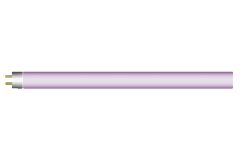
Probably the most proven basic tube in marine aquariums
Probably the most proven basic tube in marine aquariums


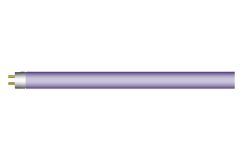
Alternative base tube with a significantly increased blue component
Alternative base tube with a significantly increased blue component
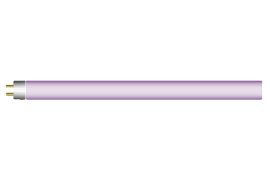
In addition to an intense blue component, it also exhibits a component of red radiation.
In addition to an intense blue component, it also exhibits a component of red radiation.
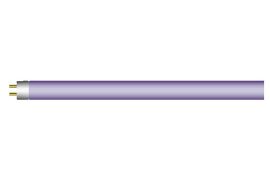
Violet-blue light for more fluorescent coral pigments
Violet-blue light for more fluorescent coral pigments
<


<
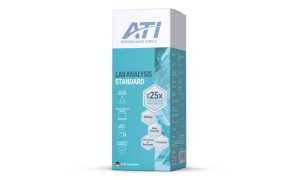
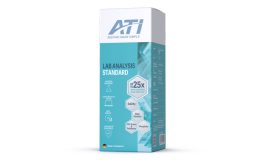
Solid basic analysis for the price-conscious user
Solid basic analysis for the price-conscious user
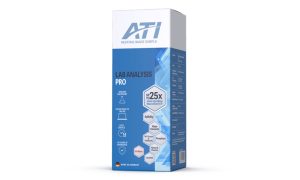
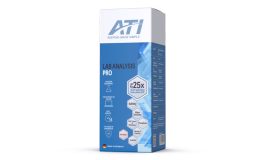
Comprehensive analysis with all important parameters
Comprehensive analysis with all important parameters
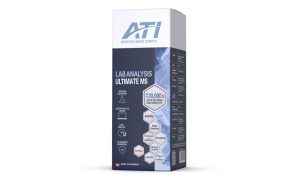
Comprehensive analysis including consideration of all pollutants and trace elements
Comprehensive analysis including consideration of all pollutants and trace elements
<

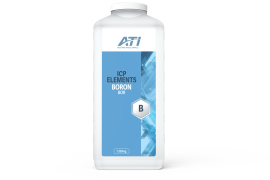
Adding 100ml to 100 liters increases the boron content by 0.5mg/l
The bottle contains 1,350mg of boron.
100ml per 100 liters increases the boron content by 0.5mg/l. The bottle contains 1,350mg boron.
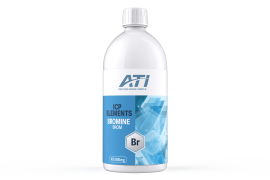
1 ml per 100 liters increases the bromine content by 1 mg/l.
The bottle contains 100,000 mg of bromine.
1 ml per 100 liters increases the bromine content by 1 mg/l. The bottle contains 100,000 mg of bromine.
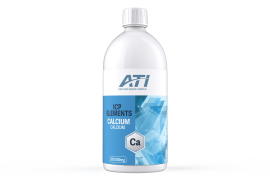
1 ml per 100 liters increases the calcium content by 2 mg/l.
The bottle contains 200,000mg of calcium.
1 ml per 100 liters increases the calcium content by 2 mg/l. The bottle contains 200,000 mg of calcium.
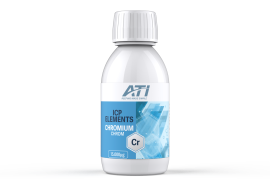
1 ml per 100 liters increases the chromium content by 1 µg/l.
The bottle contains 15,000 µg of chromium.
1 ml per 100 liters increases the chromium content by 1 µg/l. The bottle contains 15,000 µg of chromium.
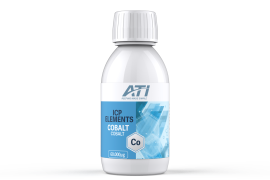
1 ml per 100 liters increases the cobalt content by 4 µg/l.
The bottle contains 60,000 µg of cobalt.
1 ml per 100 liters increases the cobalt content by 4 µg/l. The bottle contains 60,000 µg of cobalt.
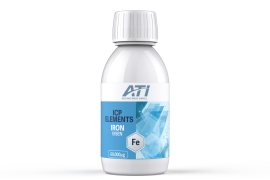
1 ml per 100 liters increases the iron content by 4 µg/l
The bottle contains 60,000µg of iron.
1 ml per 100 liters increases the iron content by 4 µg/l. The bottle contains 60,000 µg of iron.
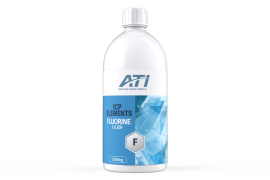
10ml per 100 liters increases the fluoride content by 0.2mg/l
The bottle contains 2,000mg of fluorine.
10ml per 100 liters increases the fluorine content by 0.2mg/l. The bottle contains 2,000mg of fluorine.
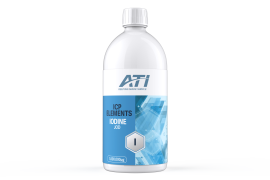
1 ml per 100 liters increases the iodine content by 10 µg/l
The bottle contains 1,000,000 µg of iodine.
1 ml per 100 liters increases the iodine content by 10 µg/l. The bottle contains 1,000,000 µg of iodine.
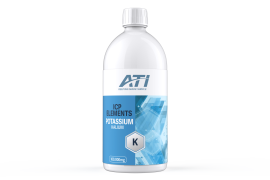
1 ml per 100 liters increases the potassium content by 1 mg/l.
The bottle contains 100,000mg of potassium.
1 ml per 100 liters increases the potassium content by 1 mg/l. The bottle contains 100,000 mg of potassium.
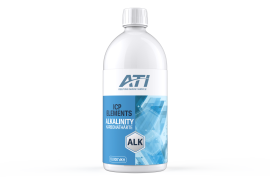
1 ml per 100 liters increases the carbonate hardness by 0.1°dKH
The bottle contains 10,000°dKH
1 ml per 100 liters increases the carbonate hardness by 0.1°dKH. The bottle contains 10,000°dKH.
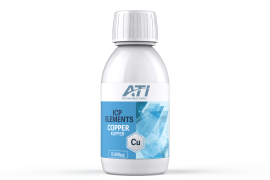
1 ml per 100 liters increases the copper content by 1 µg/l.
The bottle contains 15,000 µg of copper.
1 ml per 100 liters increases the copper content by 1 µg/l. The bottle contains 15,000 µg of copper.
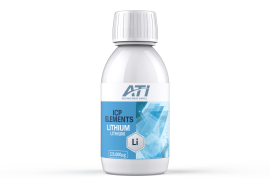
1 ml per 100 liters increases the lithium content by 15 µg/l
The bottle contains 225,000 µg of lithium.
1 ml per 100 liters increases the lithium content by 15 µg/l. The bottle contains 225,000 µg of lithium.
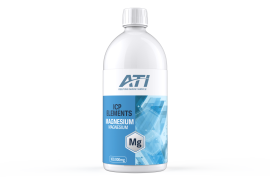
1 ml per 100 liters increases the magnesium content by 1 mg/l.
The bottle contains 100,000mg of magnesium.
1 ml per 100 liters increases the magnesium content by 1 mg/l. The bottle contains 100,000 mg of magnesium.
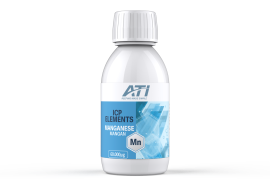
1 ml per 100 liters increases the manganese content by 4 µg/l.
The bottle contains 60,000 µg of manganese.
1 ml per 100 liters increases the manganese content by 4 µg/l. The bottle contains 60,000 µg of manganese.
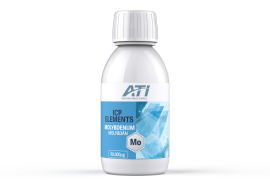
1 ml per 100 liters increases the molybdenum content by 6 µg/l
The bottle contains 90,000 µg of molybdenum.
1 ml per 100 liters increases the molybdenum content by 6 µg/l. The bottle contains 90,000 µg of molybdenum.
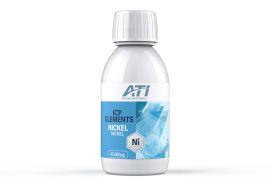
1 ml per 100 liters increases the nickel content by 3 µg/l
The bottle contains 45,000 µg of nickel.
1 ml per 100 liters increases the nickel content by 3 µg/l. The bottle contains 45,000 µg of nickel.
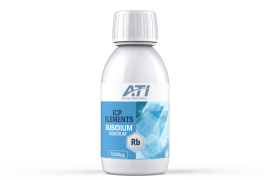
1 ml per 100 liters increases the rubidium content by 5 µg/l.
The bottle contains 75,000 µg of rubidium.
1 ml per 100 liters increases the rubidium content by 5 µg/l. The bottle contains 75,000 µg of rubidium.
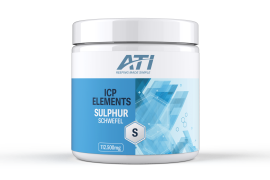
1g per 100 liters increases the sulfur content by 2.25mg/l
The can contains 112,500 mg of sulfur.
1g per 100 liters increases the sulfur content by 2.25mg/l. The can contains 112,500mg of sulfur.
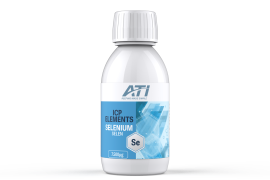
1 ml per 100 liters increases the selenium content by 0.5 µg/l
The bottle contains 7,500 µg of selenium.
1 ml per 100 liters increases the selenium content by 0.5 µg/l. The bottle contains 7,500 µg of selenium.
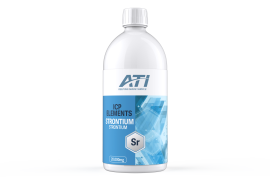
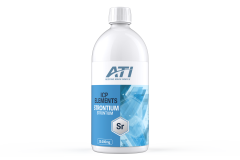
1 ml per 100 liters increases the strontium content by 0.2 mg/l.
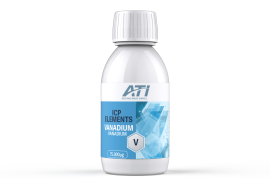
The bottle contains 75,000 µg of vanadium.
1 ml per 100 liters increases the strontium content by 0.2 mg/l. The bottle contains 75,000 µg vanadium.
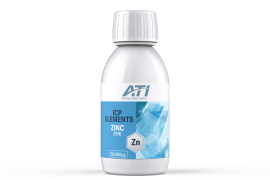
1 ml per 100 liters increases the zinc content by 10 µg/l
The bottle contains 150,000 µg of zinc.
1 ml per 100 liters increases the zinc content by 10 µg/l. The bottle contains 150,000 µg of zinc.
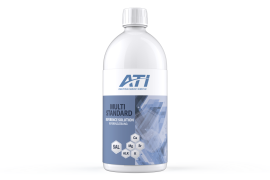
Reference solution for determining the accuracy of test kits
Reference solution for determining the accuracy of test kits
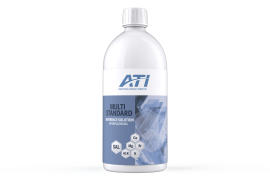
Reference solution for determining the accuracy of test kits
Reference solution for determining the accuracy of test kits
<


<
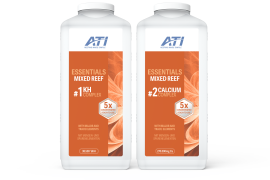
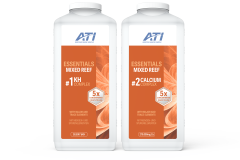
Highly concentrated liquid nutrient supply system for mixed aquariums
Highly concentrated liquid nutrient supply system for mixed aquariums
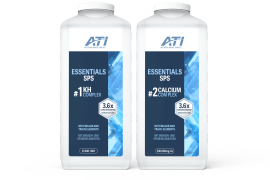
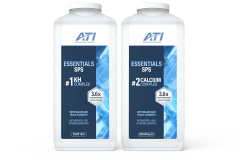
Highly concentrated liquid nutrient supply system for SPS-dominated aquariums
Highly concentrated liquid nutrient supply system for SPS-dominated aquariums
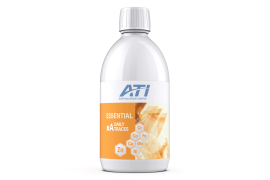
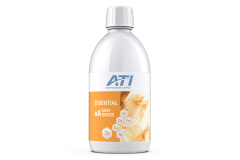
Contains the trace elements chromium, cobalt, iron, copper, manganese, nickel and zinc
Contains the trace elements chromium, cobalt, iron, copper, manganese, nickel and zinc
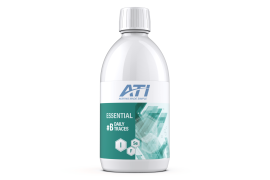
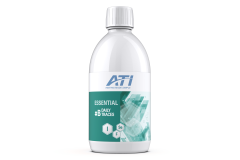
contains the trace elements fluorine, iodine and selenium
contains the trace elements fluorine, iodine and selenium
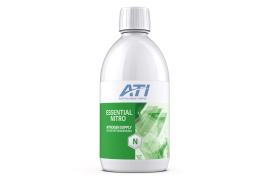
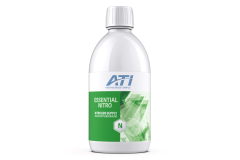
Ensures nitrogen supply in the saltwater aquarium
Ensures nitrogen supply in the saltwater aquarium
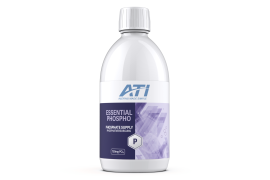
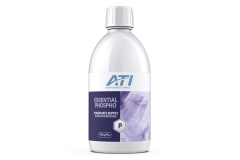
Prevents phosphate and phosphorus deficiency symptoms in saltwater aquariums
Prevents phosphate and phosphorus deficiency symptoms in saltwater aquariums
<
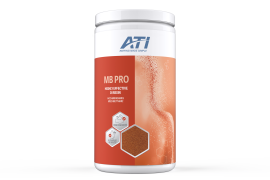
Highly effective mixed-bed resin for perfectly pure water
Highly effective mixed-bed resin for perfectly pure water
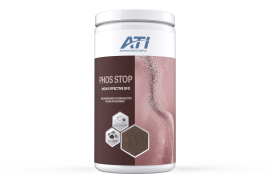
Highly effective, iron-based adsorbent for the removal of phosphate, silicate, yellow substances and heavy metals
Highly effective, iron-based adsorbent for the removal of phosphate, silicate, yellow substances and heavy metals
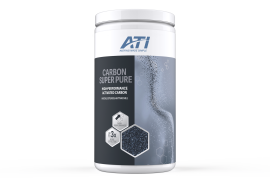
Acid-washed high-performance activated carbon for crystal-clear aquarium water
Acid-washed high-performance activated carbon for crystal-clear aquarium water
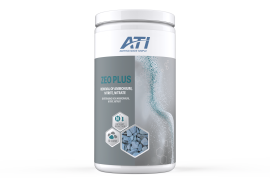
Natural zeolite mixture for the removal of ammonium, nitrite and nitrate
Natural zeolite mixture for the removal of ammonium, nitrite and nitrate
<
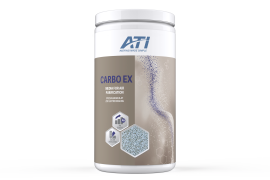
Special granules for CO₂ removal and pH stabilization
Special granules for CO₂ removal and pH stabilization
Ready-to-use disposable filter cartridge for CO₂ removal and pH stabilization
Ready-to-use disposable filter cartridge for CO₂ removal and pH stabilization
<
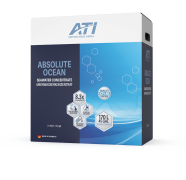
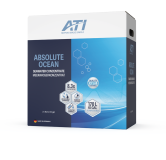
Revolutionary 8.3x seawater concentrate that allows you to make seawater in seconds
Revolutionary 8.3x seawater concentrate that allows you to make seawater in seconds
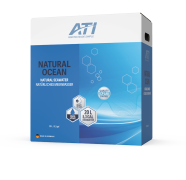
Natural Ocean
Genuine seawater straight from nature. Perfect for restarting a water cycle and partial water changes.
Genuine seawater straight from nature. Perfect for restarting a water cycle and partial water changes.
<
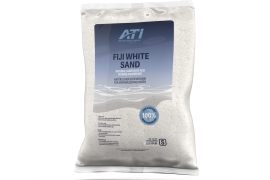
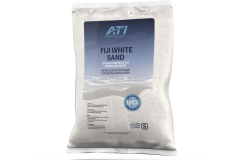
Brilliant white, natural substrate for saltwater aquariums
Brilliant white, natural substrate for saltwater aquariums













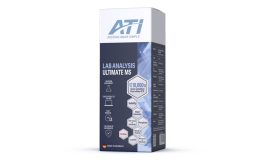
Comprehensive analysis including consideration of all pollutants and trace elements
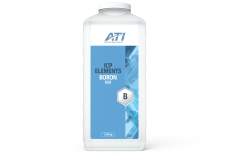
Adding 100ml to 100 liters increases the boron content by 0.5mg/l
The bottle contains 1,350mg of boron.
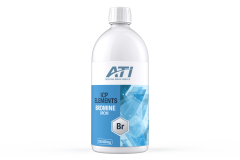
1 ml per 100 liters increases the bromine content by 1 mg/l.
The bottle contains 100,000 mg of bromine.
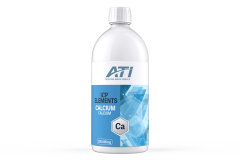
1 ml per 100 liters increases the calcium content by 2 mg/l.
The bottle contains 200,000mg of calcium.
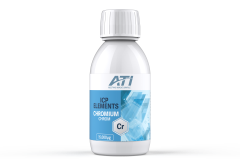
1 ml per 100 liters increases the chromium content by 1 µg/l.
The bottle contains 15,000 µg of chromium.
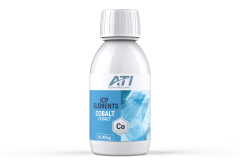
1 ml per 100 liters increases the cobalt content by 4 µg/l.
The bottle contains 60,000 µg of cobalt.
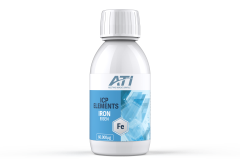
1 ml per 100 liters increases the iron content by 4 µg/l
The bottle contains 60,000µg of iron.
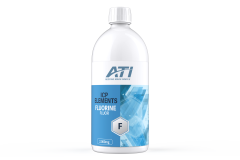
10ml per 100 liters increases the fluoride content by 0.2mg/l
The bottle contains 2,000mg of fluorine.
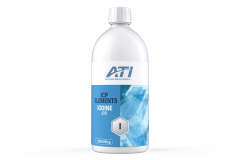
1 ml per 100 liters increases the iodine content by 10 µg/l
The bottle contains 1,000,000 µg of iodine.
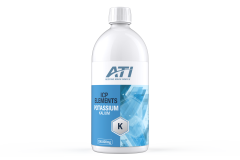
1 ml per 100 liters increases the potassium content by 1 mg/l.
The bottle contains 100,000mg of potassium.
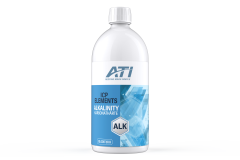
1 ml per 100 liters increases the carbonate hardness by 0.1°dKH
The bottle contains 10,000°dKH
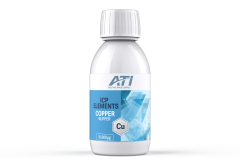
1 ml per 100 liters increases the copper content by 1 µg/l.
The bottle contains 15,000 µg of copper.
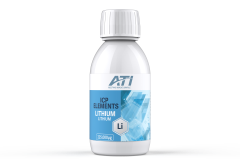
1 ml per 100 liters increases the lithium content by 15 µg/l
The bottle contains 225,000 µg of lithium.
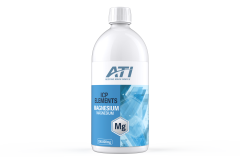
1 ml per 100 liters increases the magnesium content by 1 mg/l.
The bottle contains 100,000mg of magnesium.
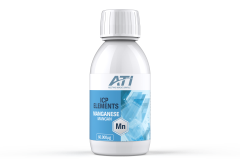
1 ml per 100 liters increases the manganese content by 4 µg/l.
The bottle contains 60,000 µg of manganese.
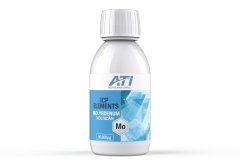
1 ml per 100 liters increases the molybdenum content by 6 µg/l
The bottle contains 90,000 µg of molybdenum.
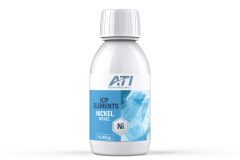
1 ml per 100 liters increases the nickel content by 3 µg/l
The bottle contains 45,000 µg of nickel.
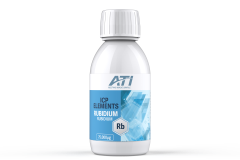
1 ml per 100 liters increases the rubidium content by 5 µg/l.
The bottle contains 75,000 µg of rubidium.
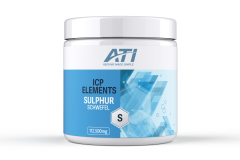
1g per 100 liters increases the sulfur content by 2.25mg/l
The can contains 112,500 mg of sulfur.
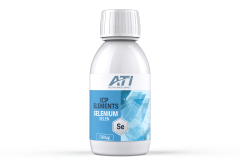
1 ml per 100 liters increases the selenium content by 0.5 µg/l
The bottle contains 7,500 µg of selenium.
Contains the trace elements chromium, cobalt, iron, copper, manganese, nickel and zinc
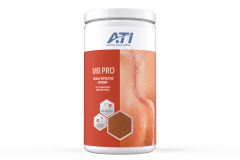
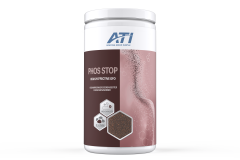
Highly effective, iron-based adsorbent for the removal of phosphate, silicate, yellow substances and heavy metals
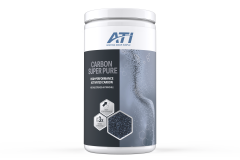
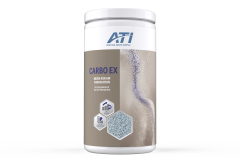
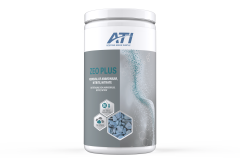
Ready-to-use disposable filter cartridge for CO₂ removal and pH stabilization
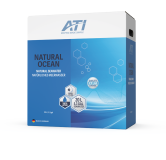
Natural Ocean
Genuine seawater straight from nature. Perfect for restarting a water cycle and partial water changes.